Interactive astronomy project

Worlds in Transit

Search for hidden planets by reading the clues they leave behind: dimming starlight, shifting spectra, gravitational bends, and faint points beside brilliant stars.

The planet is hidden. The evidence is not.

Stars are bright enough to drown out the planets beside them. Astronomers usually find exoplanets indirectly, using careful measurements instead of ordinary pictures.

What is an exoplanet?

An exoplanet is a planet outside our solar system. Most orbit a host star in another planetary system. They can be rocky like Earth, gaseous like Jupiter, molten, cloudy, wind-blasted, frozen, or even alone in space as rogue planets.

The challenge is scale and brightness. A planet can be like a tiny firefly beside an enormous searchlight, and that searchlight is trillions of miles away. The planet may be invisible, but it still tugs, blocks, bends, or filters light.

No single detection method tells astronomers everything. Transit observations reveal size and orbital period. Radial velocity reveals mass. Together, mass and radius give density, which hints at whether a planet is rocky, gaseous, icy, or layered.

exooutside our solar system
tinysignals hide in bright starlight
manymethods make a clearer world
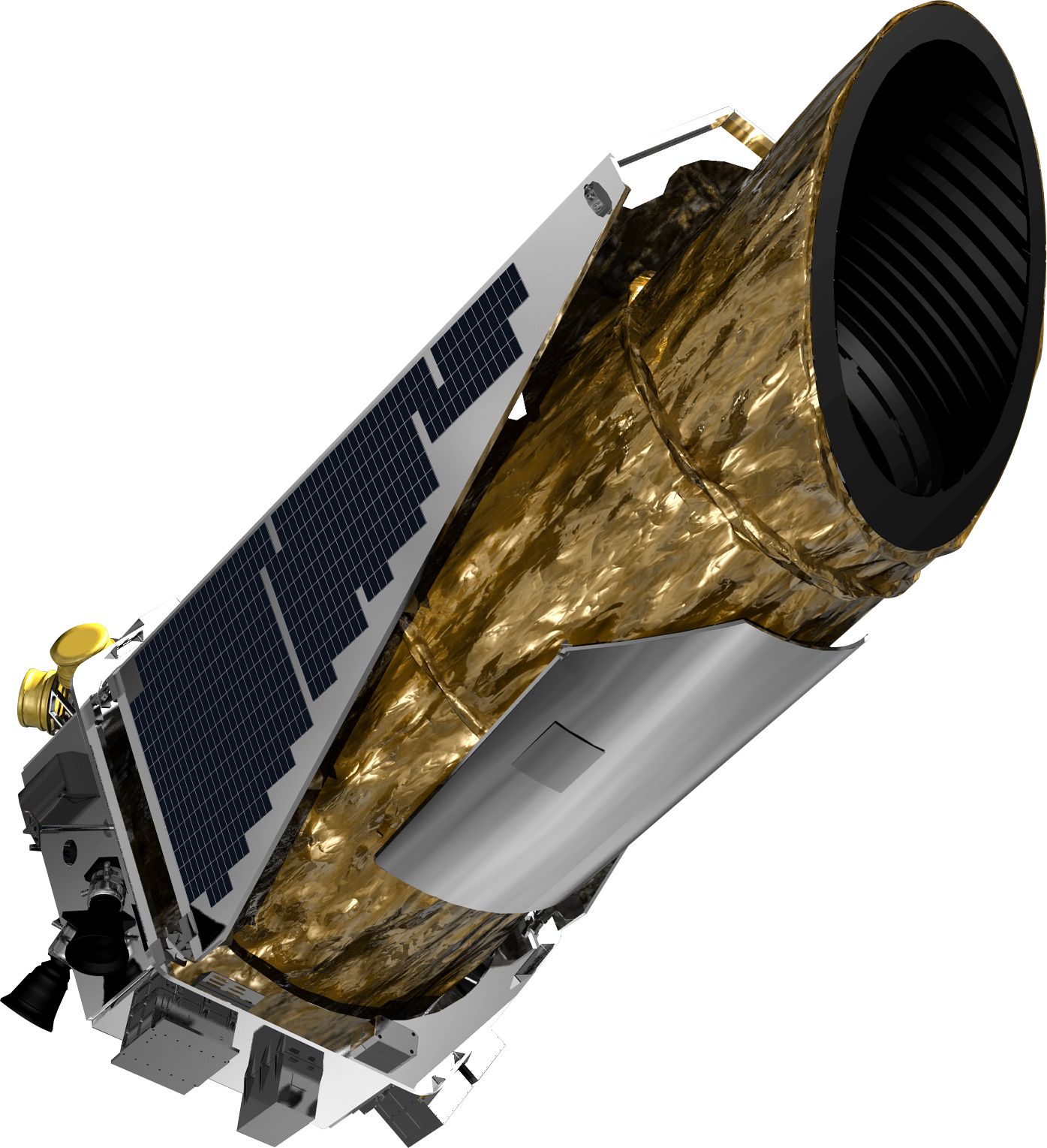
Illustration of NASA's Kepler Space Telescope.
Kepler measured tiny dips in starlight from more than 100,000 stars. Credit: NASA, public domain via Wikimedia Commons.

First clues, first worlds, new methods.

Move through the milestones that turned exoplanets from a long-standing idea into a field full of measurable worlds.

Detection Lab

Choose a method and adjust the system. Watch how the same planet can appear as a dip, a wobble, a bump, a loop, or a faint point.

The Goldilocks question is only a start.

The habitable zone marks where liquid water might be possible. It does not prove a planet has water, an atmosphere, a rocky surface, or life.

Atmospheres leave fingerprints.

During a transit, a little starlight passes through the planet's atmosphere. Molecules absorb specific wavelengths, making missing lines in the spectrum.

Transmission spectrum

Toggle molecules to compare their absorption fingerprints. A possible biosignature is a reason to investigate, not proof of life.

What each method contributes.

The strongest discoveries combine evidence, because each method sees a different part of the hidden system.

Vocabulary console

Flip through the key terms, then use the quiz to check whether the clues and definitions are sticking.

Final quiz

Check your understanding of the whole project: discovery history, detection methods, habitable zones, and atmospheric clues.

Image credits

Images are credited here and near the places they appear in the project.

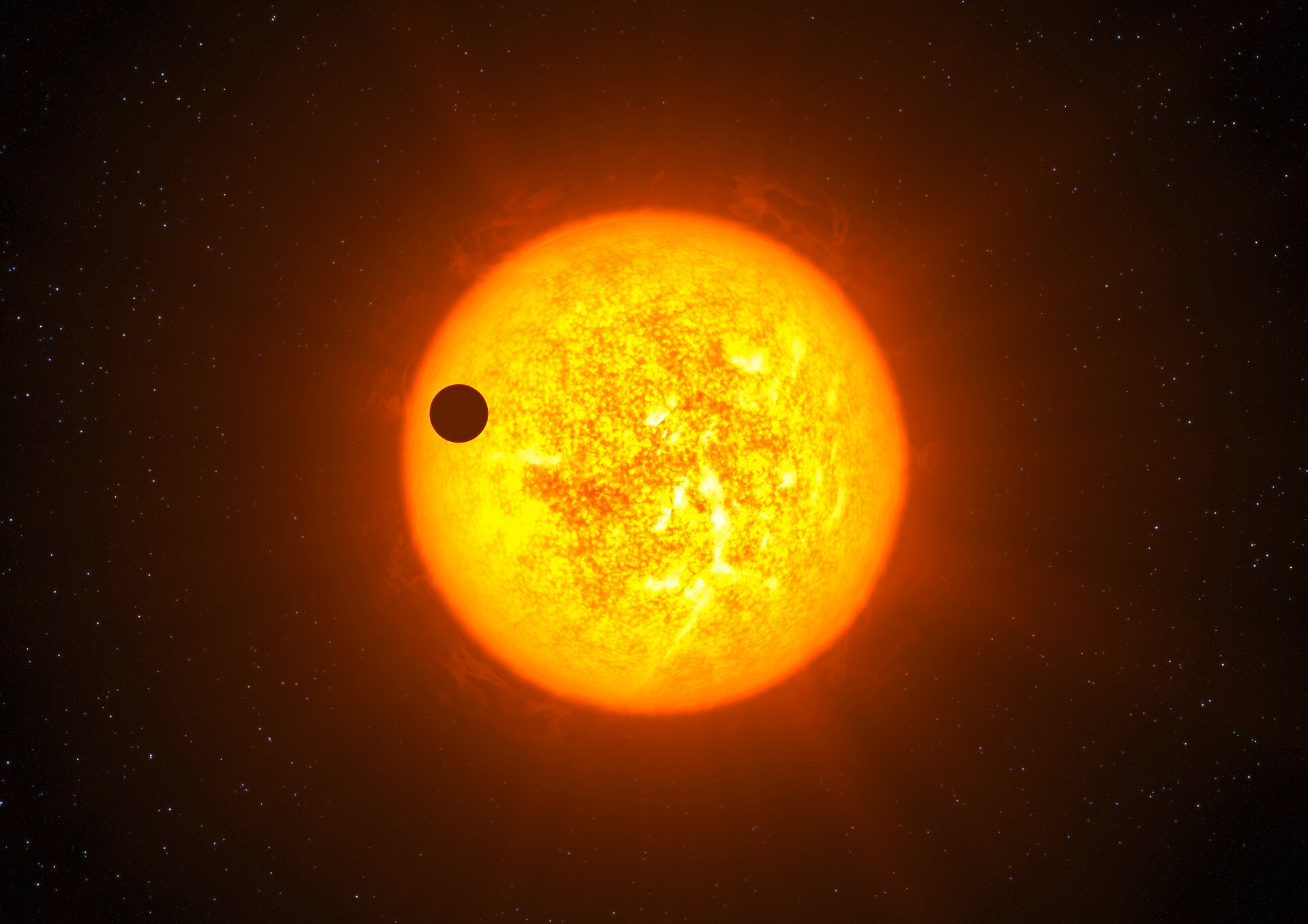
Artist impression of exoplanet CoRoT-9b transiting its star.
CoRoT-9b transit artist impression

Credit: ESO/L. Calcada. Licensed CC BY 4.0 via Wikimedia Commons. Source

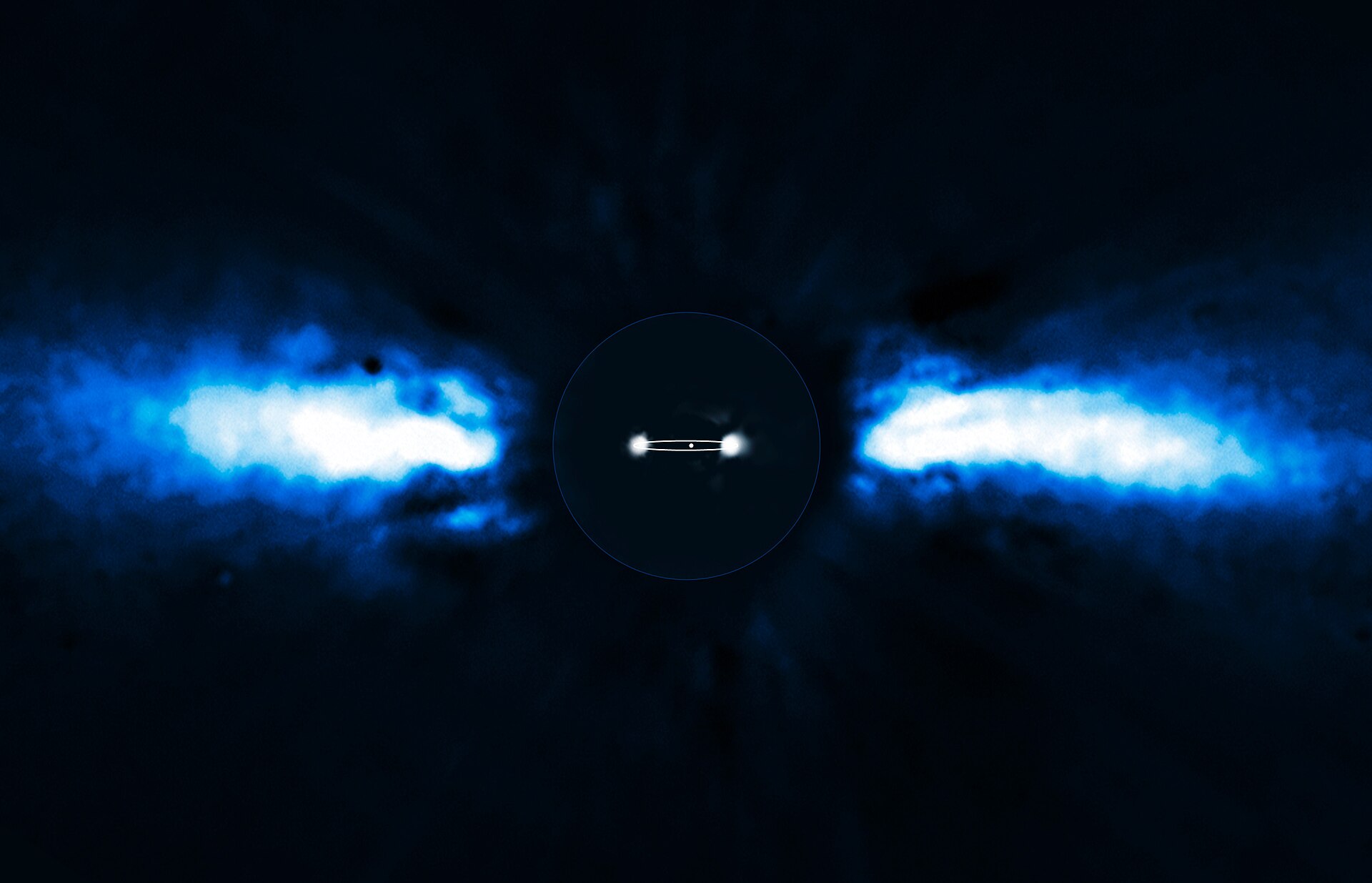
Composite view of Beta Pictoris b and its disk.
Beta Pictoris b direct imaging composite

Credit: ESO/A.-M. Lagrange. Licensed CC BY 4.0 via Wikimedia Commons. Source

NASA illustration of the Kepler Space Telescope.
Kepler Space Telescope illustration

Credit: NASA. Public domain via Wikimedia Commons. Source

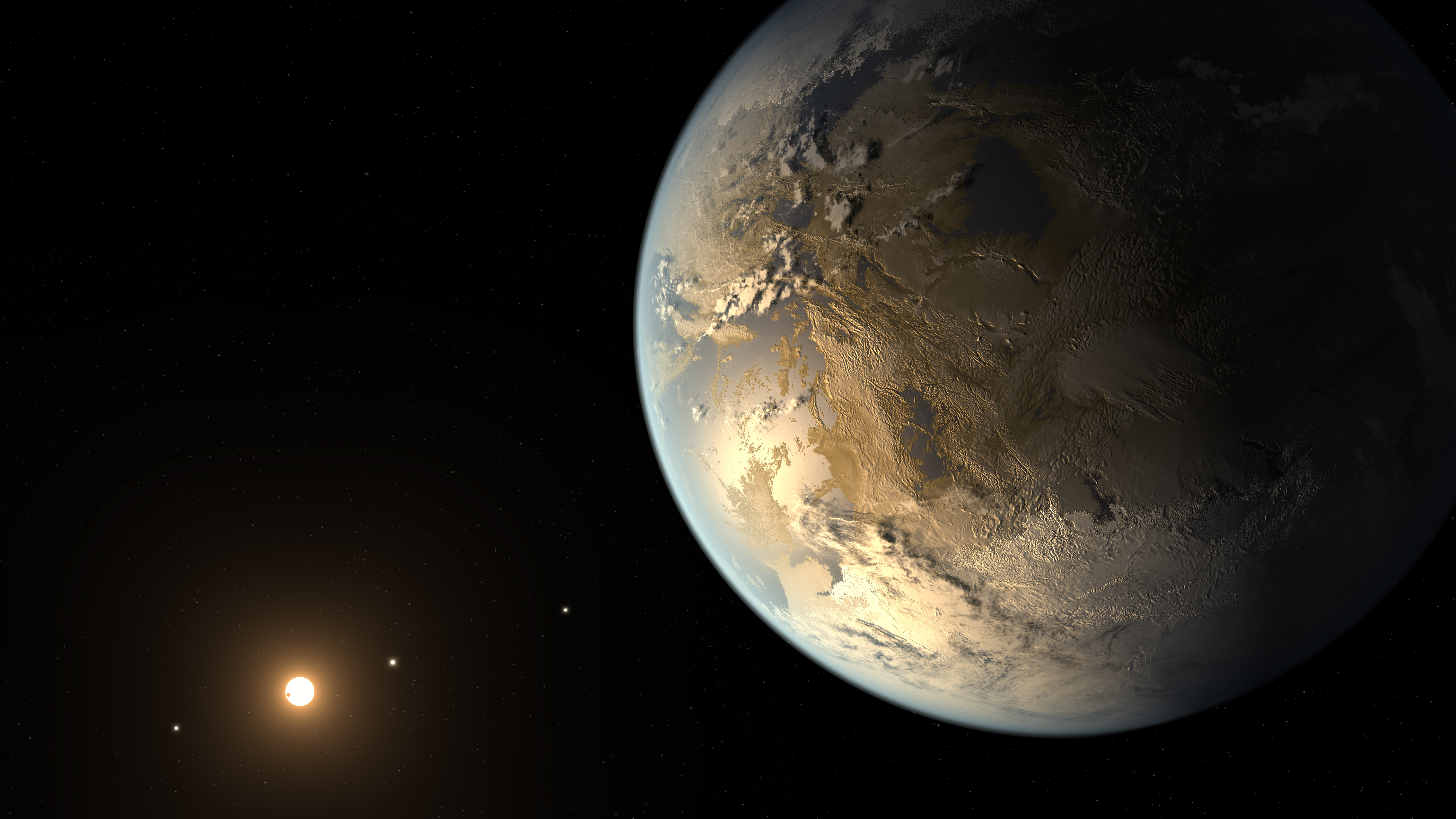
Artist concept of Kepler-186f.
Kepler-186f artist concept

Credit: NASA Ames/SETI Institute/JPL-Caltech. Public domain via Wikimedia Commons. Source

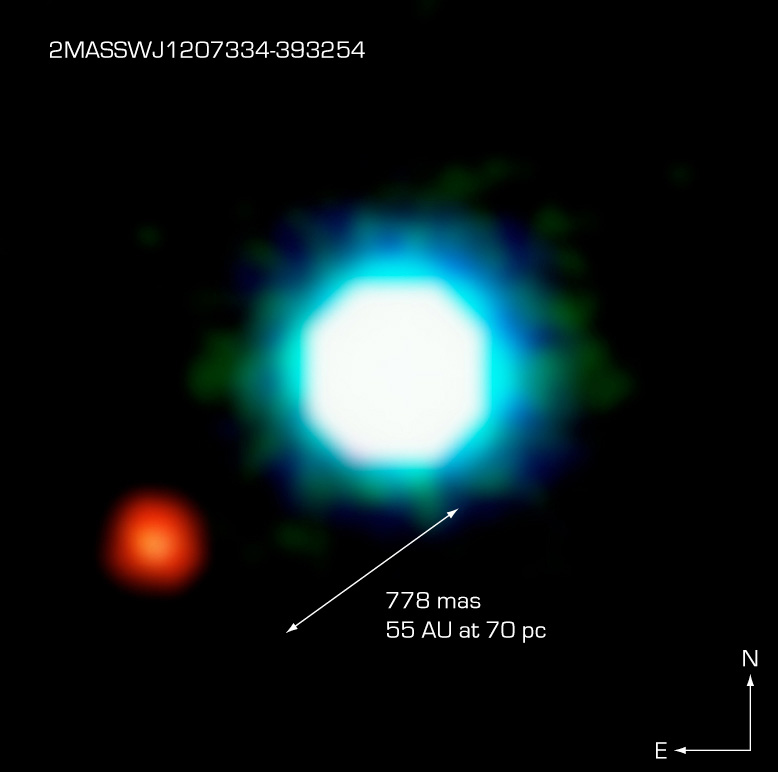
Direct image of 2M1207 and companion candidate.
2M1207 direct image

Credit: ESO. Licensed CC BY 4.0 via Wikimedia Commons. Source

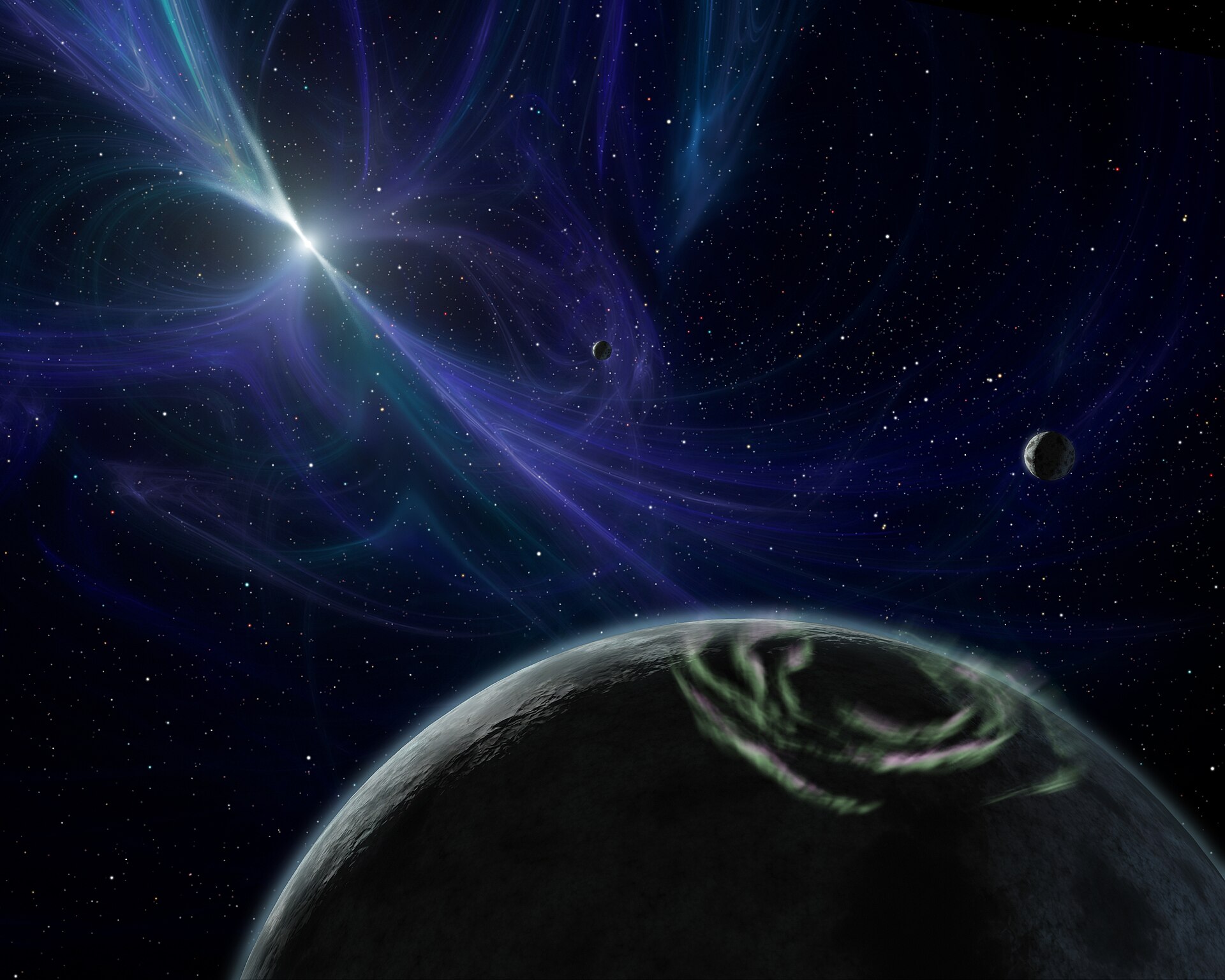
Artist concept of the PSR B1257+12 pulsar planet system.
PSR B1257+12 pulsar planets

Credit: NASA/JPL-Caltech. Public domain via Wikimedia Commons. Source

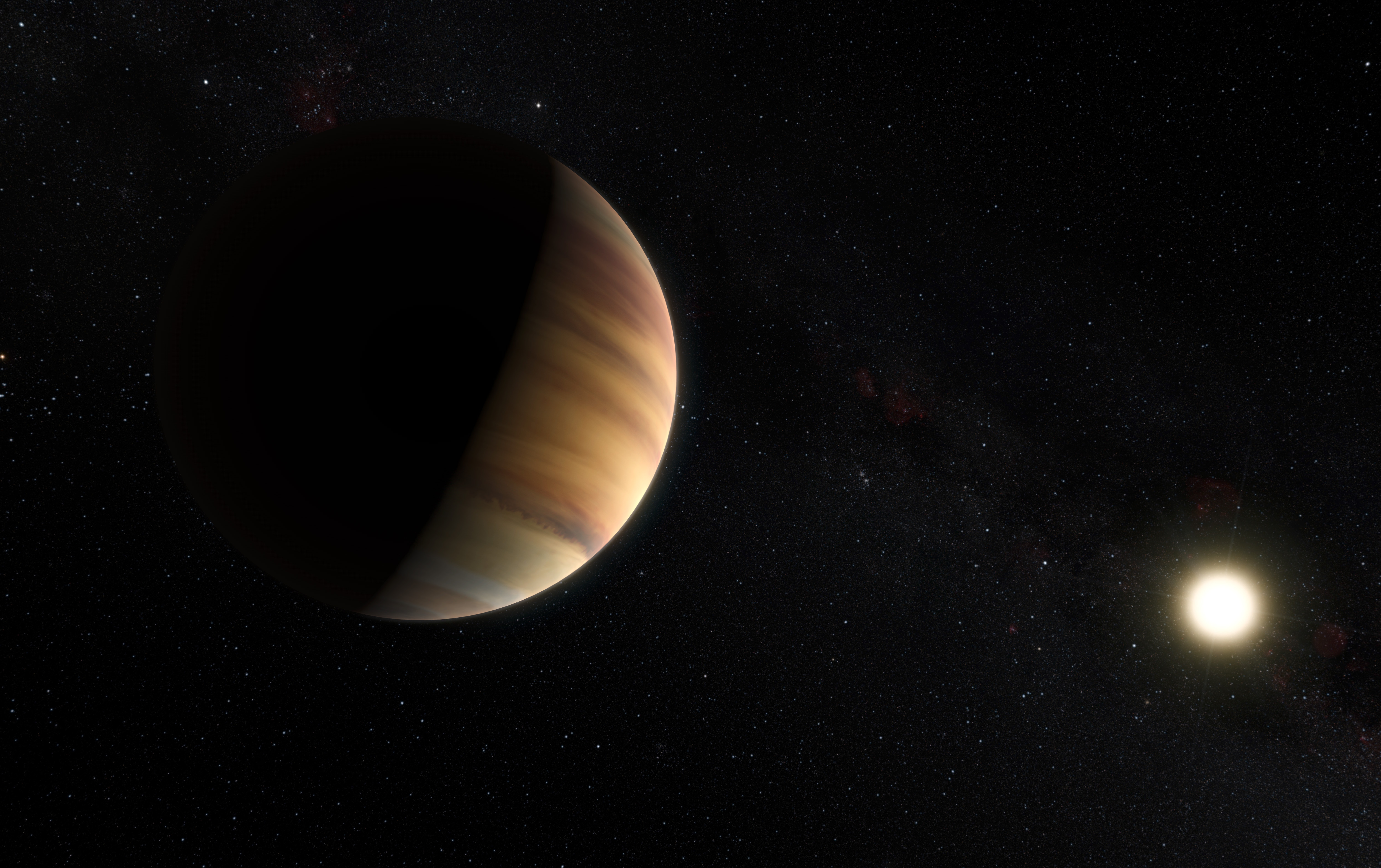
Artist impression of 51 Pegasi b.
51 Pegasi b artist impression

Credit: ESO/M. Kornmesser/Nick Risinger. Licensed CC BY 4.0 via Wikimedia Commons. Source

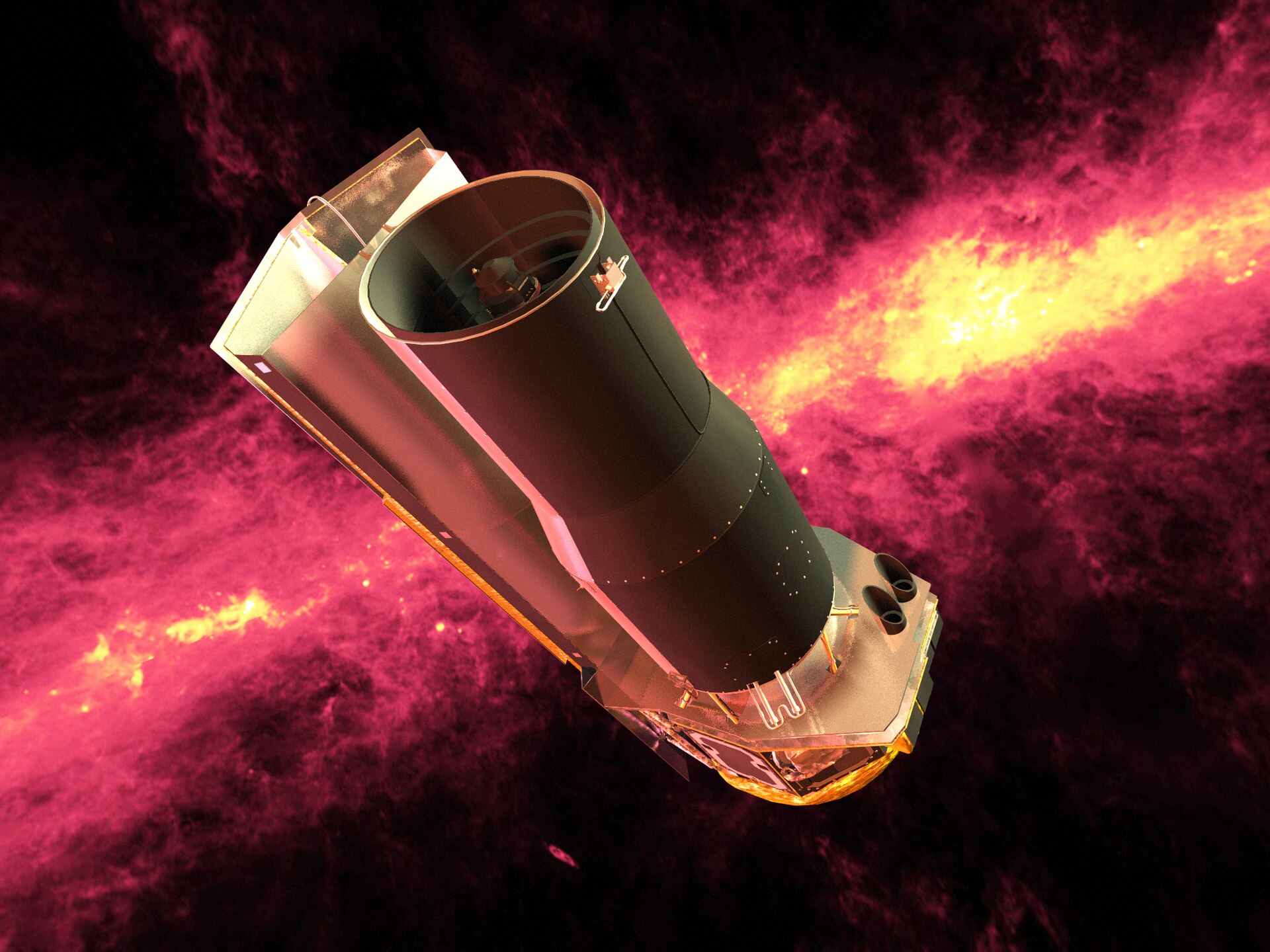
Artist rendering of the Spitzer Space Telescope.
Spitzer Space Telescope rendering

Credit: NASA/JPL-Caltech. Public domain via Wikimedia Commons. Source